📏
Jersey Sizing & Fit Guide: Find Your Perfect Size
Complete jersey sizing guide. Learn how to measure for the perfect fit, compare size charts, and understand the differences in fit between brands.
📑 In This Guide:
How to Measure for a Jersey
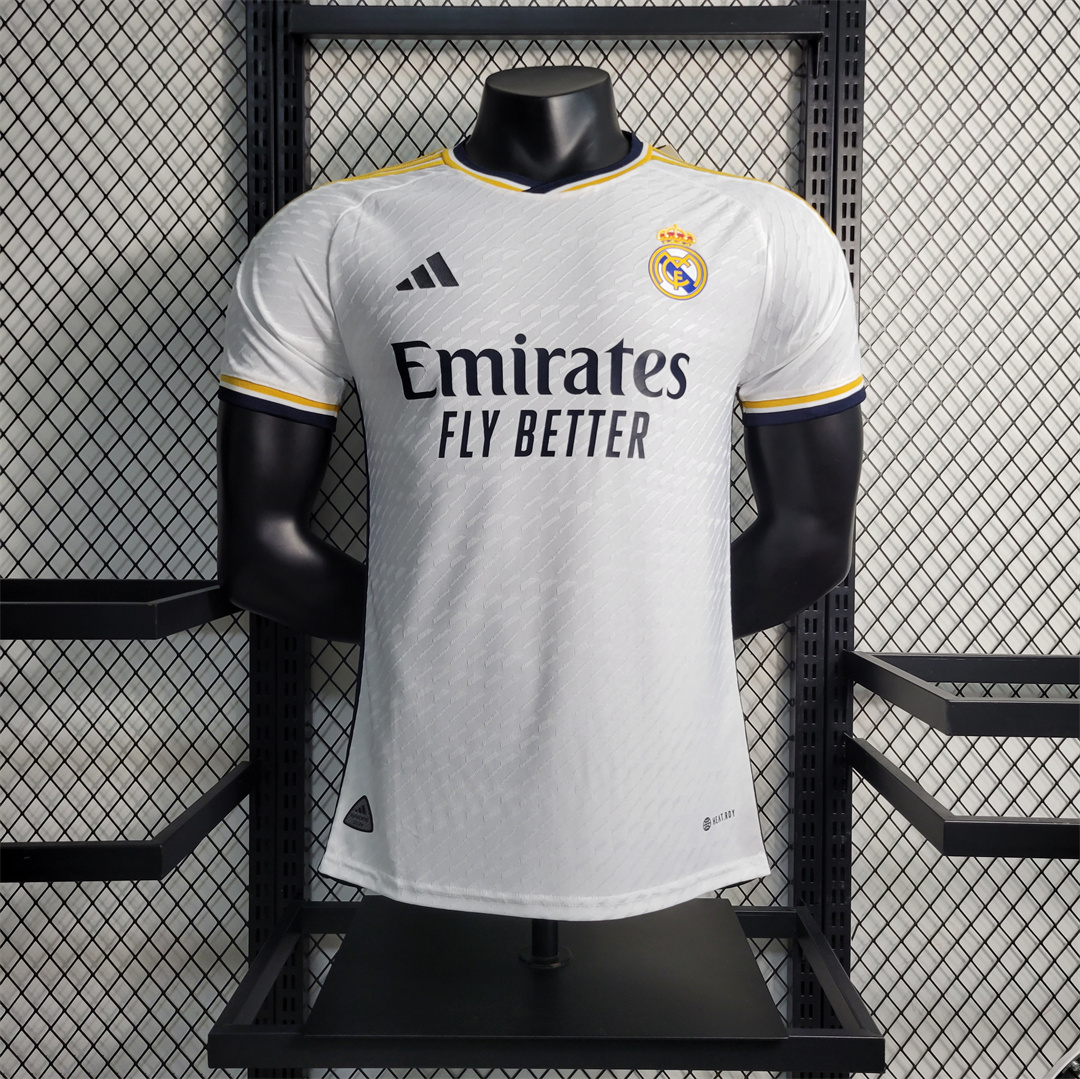
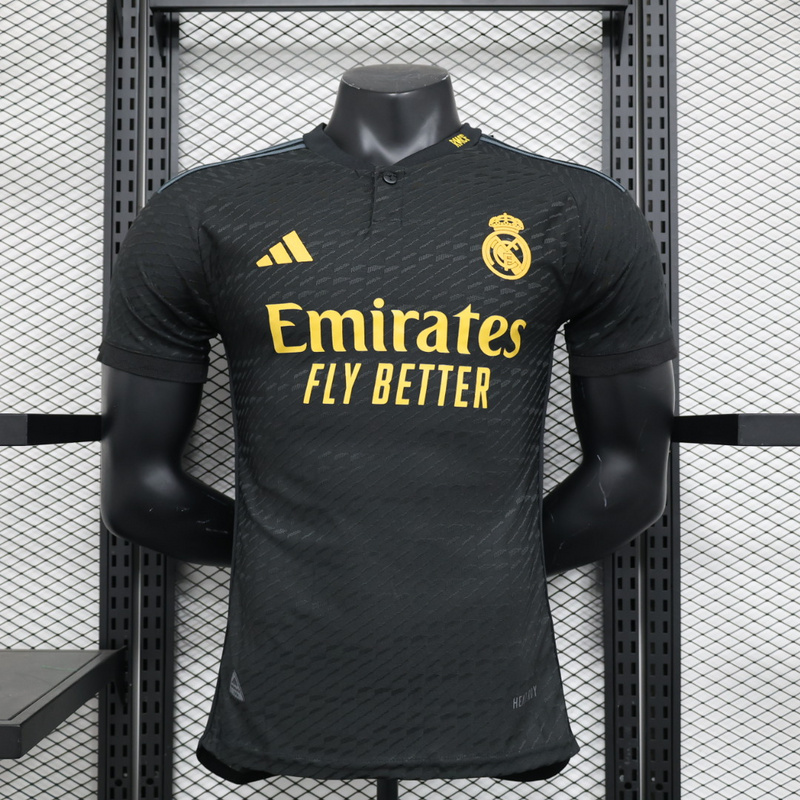
For the best fit, measure your chest at the widest point (under armpits), waist at your natural waistline, and length from the top of your shoulder to where you want the jersey to end. Compare these measurements against the product size chart. For Player Version jerseys, go one size up from your regular size for a comfortable fit, or choose your exact size for the intended athletic fit.
Brand Size Differences
Nike jerseys tend to run slightly smaller with an athletic cut, especially in Player versions. Adidas jerseys offer a more relaxed fit with slightly wider shoulders. Puma jerseys are generally true to size with a modern athletic cut. For soccer/football jerseys, Asian sizing typically runs 1-2 sizes smaller than US/EU sizing, so always check the specific size chart before ordering.
Common Sizing Mistakes
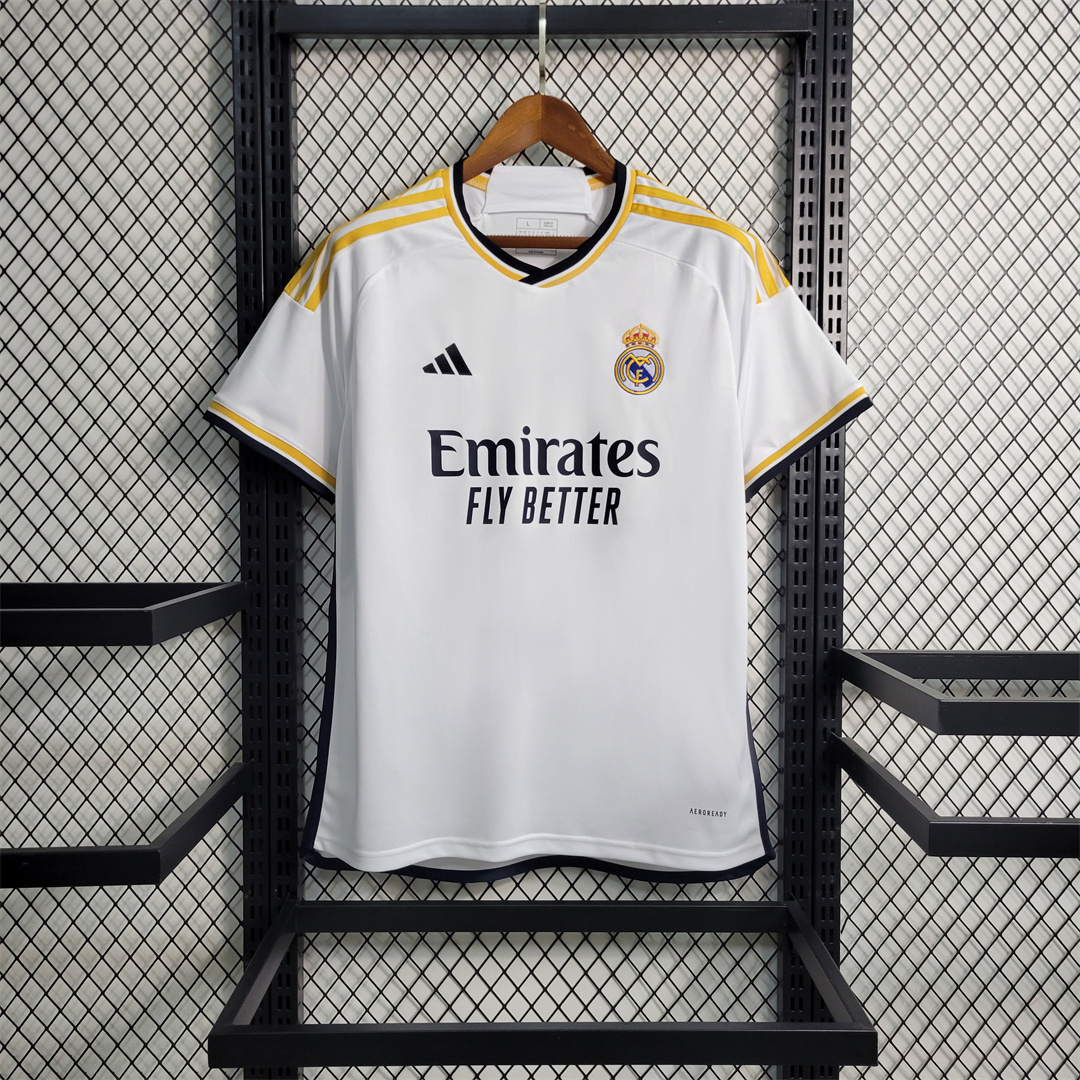
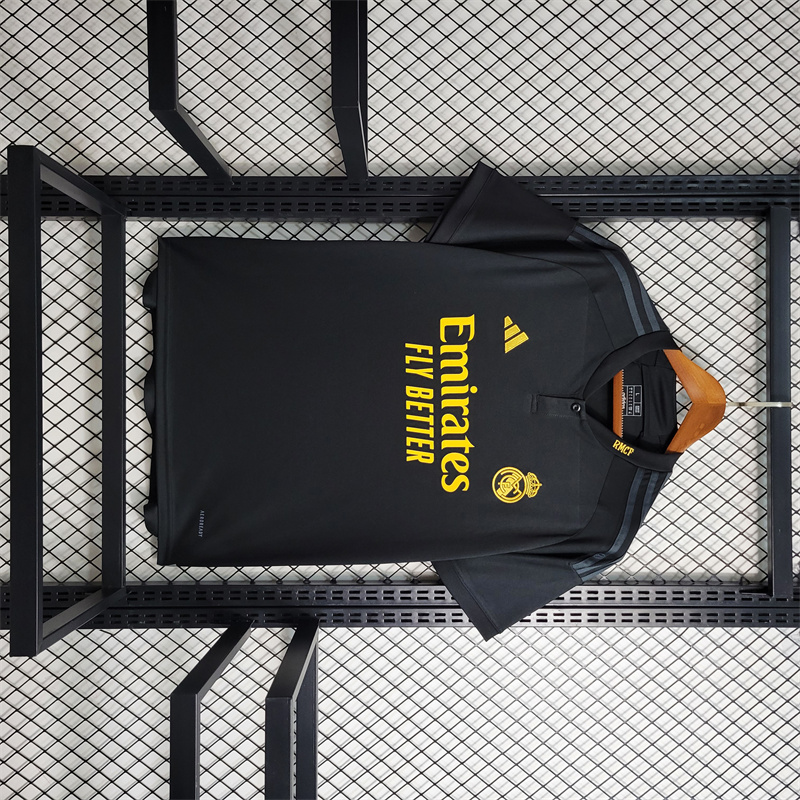
The most common mistake is ordering based on your t-shirt size without checking the size chart. Jersey sizing is different from regular clothing — they are designed to be worn fitted. Another mistake is not accounting for different cuts: slim-fit Player versions require sizing up, while relaxed-fit Fan versions can be ordered at your regular size. Always measure a jersey you already own that fits well and compare.
Size Chart Conversion
Standard jersey sizing: S = chest 36-38" (91-96cm), M = chest 39-41" (99-104cm), L = chest 42-44" (106-111cm), XL = chest 45-47" (114-119cm), 2XL = chest 48-50" (122-127cm). For Player Version slim fit, add 2-3" (5-7cm) to these measurements. Children's jerseys use age-based sizing: Youth S (6-8), M (8-10), L (10-12), XL (12-14).